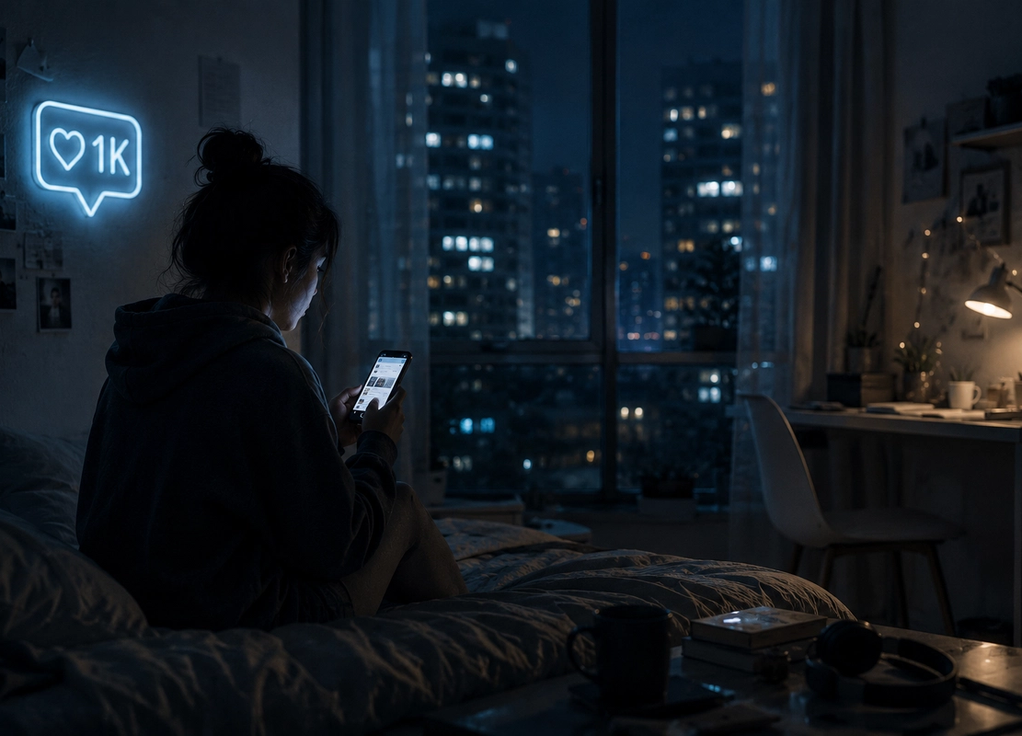
The Loneliness of the Always-Online Generation
Laurie Lucas
May 27, 2026
Modern technology has made it easier than ever for people to stay connected.
Messages arrive instantly. Social media allows constant interaction. Video calls make long-distance communication effortless, while online communities connect people across different countries, interests, and lifestyles.
Yet despite this endless digital connection, many people — especially younger generations — report feeling increasingly lonely.
This contradiction has become one of the defining emotional realities of modern life. People are surrounded by communication, notifications, and online interaction every day, but many still struggle to feel deeply understood, emotionally close to others, or genuinely connected in meaningful ways.
Key Takeaways
- Constant online connection does not always prevent loneliness
- Social media can increase comparison and emotional isolation
- Digital communication often replaces deeper in-person interaction
- Younger generations report rising levels of loneliness and anxiety
- Meaningful connection usually requires more than constant communication
1. Being Connected Is Not the Same as Feeling Connected
One of the biggest misconceptions of the digital age is the idea that communication automatically creates closeness.
People may exchange messages all day, react to stories, comment on posts, and participate in group chats while still feeling emotionally disconnected. Much of online interaction is fast, fragmented, and surface-level rather than deeply personal.
Technology allows constant access to others, but emotional intimacy often requires slower and more meaningful interaction.
This is why many people can have hundreds of online connections while still feeling profoundly alone in everyday life.
2. Social Media Intensified Comparison
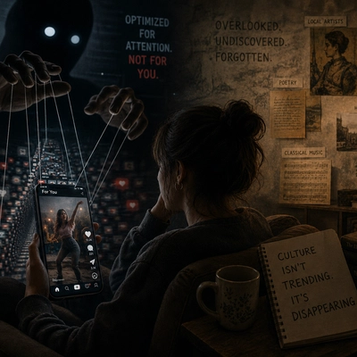
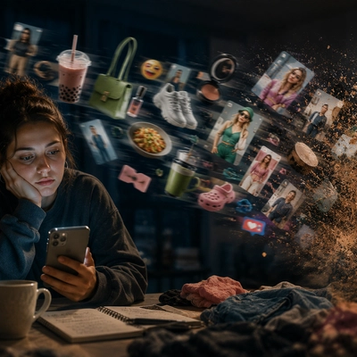
Social media platforms constantly expose people to carefully edited versions of other people’s lives.
Photos of friendships, relationships, success, travel, beauty, and happiness appear endlessly online, making many individuals feel as though everyone else is more connected or fulfilled than they are. Over time, this comparison can increase insecurity, isolation, and emotional exhaustion.
Even when people logically understand that social media is curated, emotional comparison still happens automatically.
The result is a strange dynamic where people consume endless images of connection while personally feeling more disconnected themselves.
3. Digital Communication Changed Friendships
Technology made communication faster, but it also changed how relationships function.
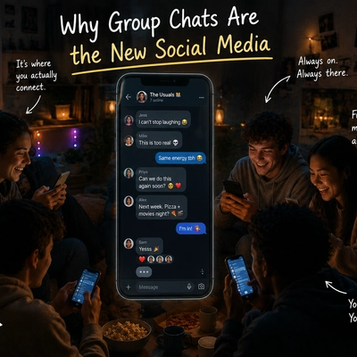
Many friendships now rely heavily on short messages, memes, reactions, or passive interaction through social media feeds rather than long conversations or shared physical experiences. While these forms of communication help people stay in touch, they do not always create the same emotional depth as spending meaningful time together in person.
As life becomes increasingly online, some people begin realizing they communicate constantly without truly feeling socially fulfilled.
The convenience of digital interaction sometimes replaces, rather than strengthens, deeper human connection.
4. The Always-Online Lifestyle Can Feel Emotionally Exhausting
Modern digital culture creates constant pressure to remain available and engaged.
Notifications, updates, messages, trends, and endless streams of content rarely allow the brain to fully rest. Many people feel mentally overstimulated while simultaneously emotionally disconnected.
Ironically, being constantly online can sometimes increase feelings of loneliness because people spend more time observing others than actively participating in real-life experiences themselves.
The mind stays busy, but emotional needs may still remain unmet.
5. Loneliness Is Becoming a Major Mental Health Concern
Researchers and mental health experts increasingly describe loneliness as a growing public health issue, particularly among younger generations.
Despite growing up surrounded by digital technology, many young adults report high levels of anxiety, emotional isolation, and difficulty forming deep relationships. Remote work, online entertainment, and heavily digital lifestyles may contribute to reduced face-to-face interaction over time.
Loneliness affects more than emotions alone.
Long-term social isolation has been linked to stress, depression, sleep problems, and even physical health risks, showing how deeply human beings depend on meaningful social connection.
Online Communities Can Still Provide Real Support
Despite its downsides, the internet also helps many people find connection they may not have access to offline.
Online communities allow individuals with shared interests, identities, struggles, or experiences to find understanding and support across the world. For some people, especially those dealing with isolation, disability, discrimination, or mental health challenges, digital spaces can provide important emotional connection.
The problem is not technology itself, but how it shapes the balance between online interaction and real-world relationships.
Digital communication can support connection, but it often works best when it complements rather than replaces deeper human interaction.
Younger Generations Are Beginning to Recognize the Problem
Many people are becoming increasingly aware of how digital life affects emotional well-being.
Conversations around burnout, screen addiction, mental health, and loneliness have become far more common in recent years. Some individuals are intentionally reducing screen time, limiting social media use, or prioritizing in-person experiences more actively as a result.
This growing awareness reflects a broader realization that constant connectivity does not automatically create emotional fulfillment.
In some cases, slowing down digitally may actually help people feel more connected socially.
Human Connection Still Requires Presence
One reason loneliness persists in highly connected societies is because human relationships depend on more than communication alone.
Presence, attention, vulnerability, physical interaction, and emotional trust are difficult to fully replace through screens and algorithms. Technology can help maintain relationships, but it cannot completely replicate the emotional depth created through shared experiences and genuine closeness.
People do not only need interaction — they need meaningful connection.
The Most Connected Generation May Also Feel the Most Alone
The always-online generation grew up with more communication tools than any generation before it.
Yet many people still struggle with loneliness in ways that feel confusing and deeply personal. Constant digital interaction created the illusion that humans would naturally become more connected, but emotional connection turns out to be far more complicated than simply staying online all the time.
And perhaps one of the biggest lessons of the digital age is this: being surrounded by communication does not necessarily mean feeling truly seen, understood, or connected.