
5 Habits of People Who Always Seem to Have It Together
Laurie Lucas
May 27, 2026
Everyone knows someone who seems calm, organized, and in control no matter how busy life becomes. They manage responsibilities, maintain relationships, meet deadlines, and still appear emotionally balanced even during stressful periods.
From the outside, it can look like these people simply have life figured out naturally.
But in reality, most people who “have it together” are not perfect or constantly motivated. They usually rely on small habits and routines that help them stay consistent, focused, and mentally organized over time.
The difference often comes down less to talent or luck and more to how they manage their daily lives.
Key Takeaways
- People who seem organized usually rely on routines, not perfection
- Small daily habits often reduce stress and mental overload
- Consistency matters more than constant motivation
- Emotionally balanced people tend to manage their energy carefully
- Good habits often create long-term stability and confidence
1. They Plan Ahead Instead of Constantly Reacting
People who appear organized rarely wait until the last minute to deal with everything.
They usually think ahead, prepare early, and avoid creating unnecessary chaos for themselves. This does not mean they plan every second of their day perfectly, but they tend to stay aware of deadlines, responsibilities, and upcoming priorities before problems become overwhelming.
Planning ahead reduces mental stress because fewer decisions need to be made under pressure.
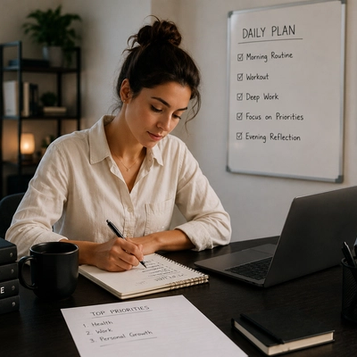
Even simple habits like maintaining calendars, writing task lists, or preparing things the night before can make daily life feel far more manageable.
2. They Protect Their Time and Energy
One common trait among people who seem to have their lives together is that they understand their limits.
They do not say yes to everything, and they usually recognize that constantly overcommitting leads to exhaustion and burnout. Instead of trying to please everyone all the time, they become more intentional about where they invest their time and emotional energy.
This often helps them maintain healthier routines, stronger focus, and better emotional balance.
People who protect their energy are not necessarily less busy than others — they are often simply more selective about what deserves their attention.
3. They Maintain Small Consistent Routines
Many people assume successful or organized individuals rely on extreme discipline, but consistency is usually more important than intensity.
Small routines repeated regularly often create stability over time. Habits like waking up at similar hours, keeping spaces organized, exercising regularly, responding to tasks early, or taking short breaks throughout the day can significantly reduce stress and mental clutter.
These routines create structure, especially during chaotic periods.
People who seem calm and productive often depend heavily on systems that make life easier rather than relying entirely on motivation every day.
4. They Do Not Ignore Their Mental Health
People who appear emotionally balanced are not stress-free all the time.
The difference is that they usually pay attention to their emotional well-being before problems grow too large. They recognize when they need rest, boundaries, quiet time, or support from others instead of constantly pushing themselves beyond healthy limits.
Many also understand the importance of sleep, exercise, social connection, and time away from screens.
Taking care of mental health does not eliminate stress completely, but it often helps people handle challenges more calmly and recover faster from difficult periods.
5. They Accept That Nobody Has Everything Perfectly Together
Ironically, one habit of people who seem confident and organized is that they do not expect perfection from themselves constantly.
They understand that mistakes, setbacks, stress, and uncertainty are normal parts of life. Instead of collapsing when things go wrong, they usually focus on adjusting, learning, and moving forward without becoming consumed by failure.
This mindset often makes them appear calmer and more stable from the outside.
Many people who “have it together” are simply better at managing imperfection without letting it completely derail them.
Social Media Often Creates Unrealistic Expectations
One reason people feel inadequate today is because social media constantly presents polished versions of other people’s lives.
Online, it can appear as though everyone else is productive, emotionally balanced, successful, healthy, and constantly thriving. In reality, most people struggle privately with stress, uncertainty, and personal challenges at different points in life.
The appearance of having everything together is often far more curated than real.
Comparing real life to carefully edited online images can create unrealistic pressure and unnecessary self-criticism.
Stability Usually Comes From Habits, Not Personality
People often assume organization or emotional balance are personality traits someone is simply born with.
But in many cases, stability comes from learned behaviors repeated over time. Simple systems, healthy routines, emotional awareness, and good boundaries can dramatically improve how people manage responsibilities and stress.
Many highly organized people were not naturally disciplined from the beginning.
They gradually built habits that made life feel more manageable and less overwhelming.
Nobody Feels Fully in Control All the Time
One important truth often hidden behind appearances is this: nobody feels completely confident or organized every single day.
Even highly successful people experience stress, uncertainty, procrastination, and difficult periods.
The difference is usually not perfection, but resilience and consistency.
People who seem like they “have it together” often just recover faster, stay adaptable, and avoid letting temporary chaos define their entire lives.
Having It Together Is Usually Simpler Than It Looks
The people who appear calm, productive, and emotionally balanced are rarely perfect human beings with flawless routines.
More often, they simply developed habits that help reduce unnecessary stress, improve consistency, and create stability over time.
Small actions repeated daily tend to matter more than dramatic life changes.
And in many cases, having it together is less about controlling everything perfectly and more about learning how to handle life without constantly feeling overwhelmed.